Translated automatically from Indonesian.
Farmers in Probolinggo determine planting time by observing weather conditions, especially wind and rainfall intensity, as well as water availability in the field. In addition, farmers also consider the level of pest attacks in the previous planting season. To determine soil conditions, millennial farmers usually use a tool to measure soil pH, while older farmers tend to rely on their experience and instinct […]
Farmers in Probolinggo determine planting time by observing weather conditions, especially wind and rainfall intensity, as well as water availability in the field. In addition, farmers also consider the level of pest attacks in the previous planting season. To determine soil conditions, millennial farmers usually use a tool to measure soil pH, while older farmers tend to rely on their experience and instinct in assessing whether the soil is ready to be planted or still requires cultivation.
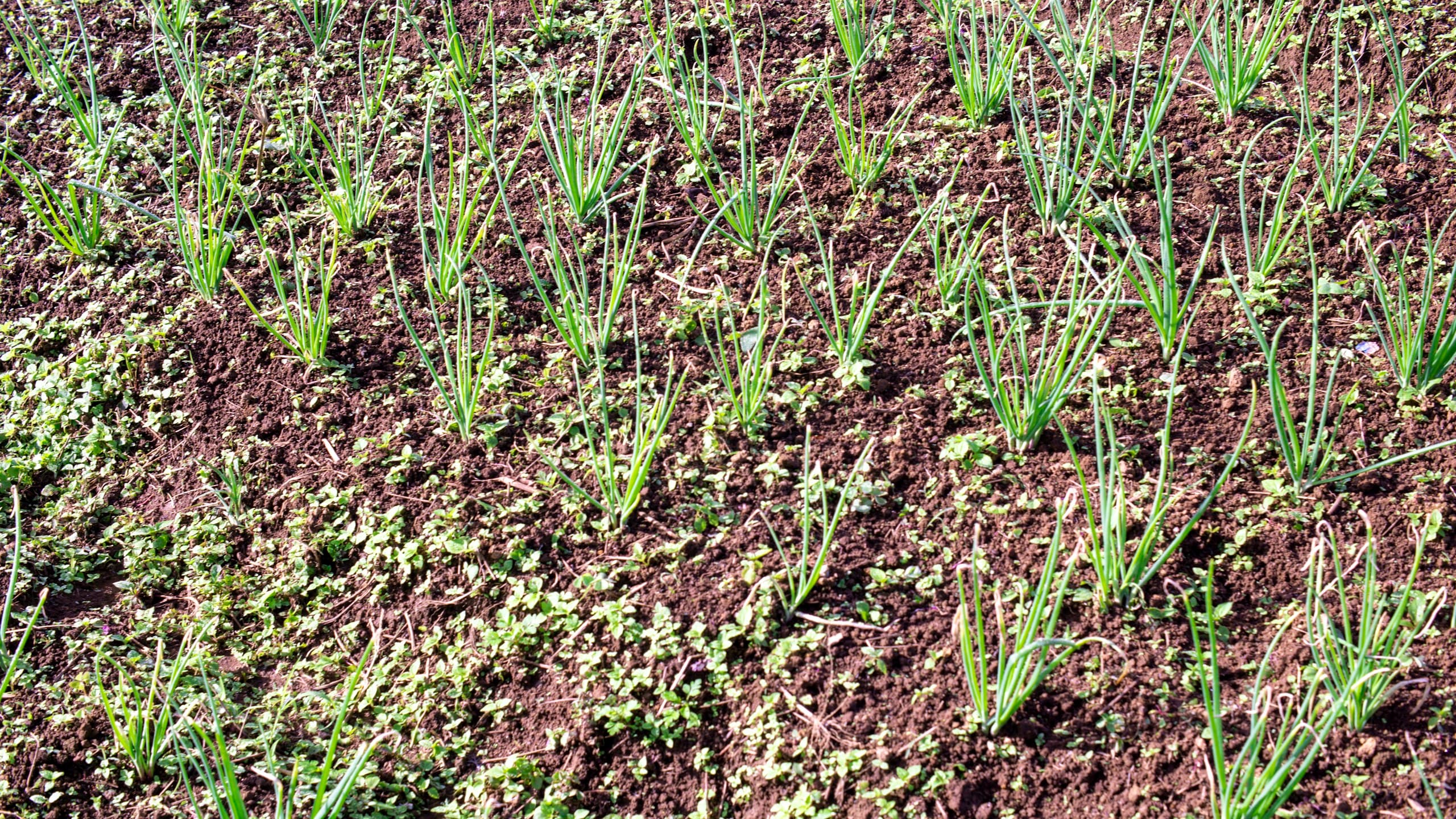
Farmers also recognize plant conditions through their growth. Healthy shallot plants usually grow quickly, while plants attacked by pests or diseases show symptoms such as yellowing leaves, almost wilting, and drying root conditions. To determine water sufficiency, farmers look at soil conditions. Hard soil indicates a lack of water, while loose soil with moss appearing around the beds or ditches indicates sufficient water.
In making decisions when weather conditions change, farmers adjust their land management methods. For example, when facing the rainy season, ditches are made deeper to prevent waterlogging and farmers prepare pesticides. Meanwhile, if conditions are less suitable for planting shallots, they can delay planting or replace them with other crops, such as corn. Farmers also observe the growth of other farmers' plants that were planted earlier as a consideration.
Thus, it can be concluded that farmers use a combination of knowledge that can be measured scientifically, such as soil pH measurement, and practical knowledge gained from farming experience. Older farmers tend to rely on instinct and experience, while younger farmers consider weather conditions, plant development, and pest attacks more before making decisions.