
Shallots · Tegalsiwalan
Tegalsiwalan Shallots.
From the village's 2015 harvest figures to seed grower records and Probolinggo varieties.
Start exploring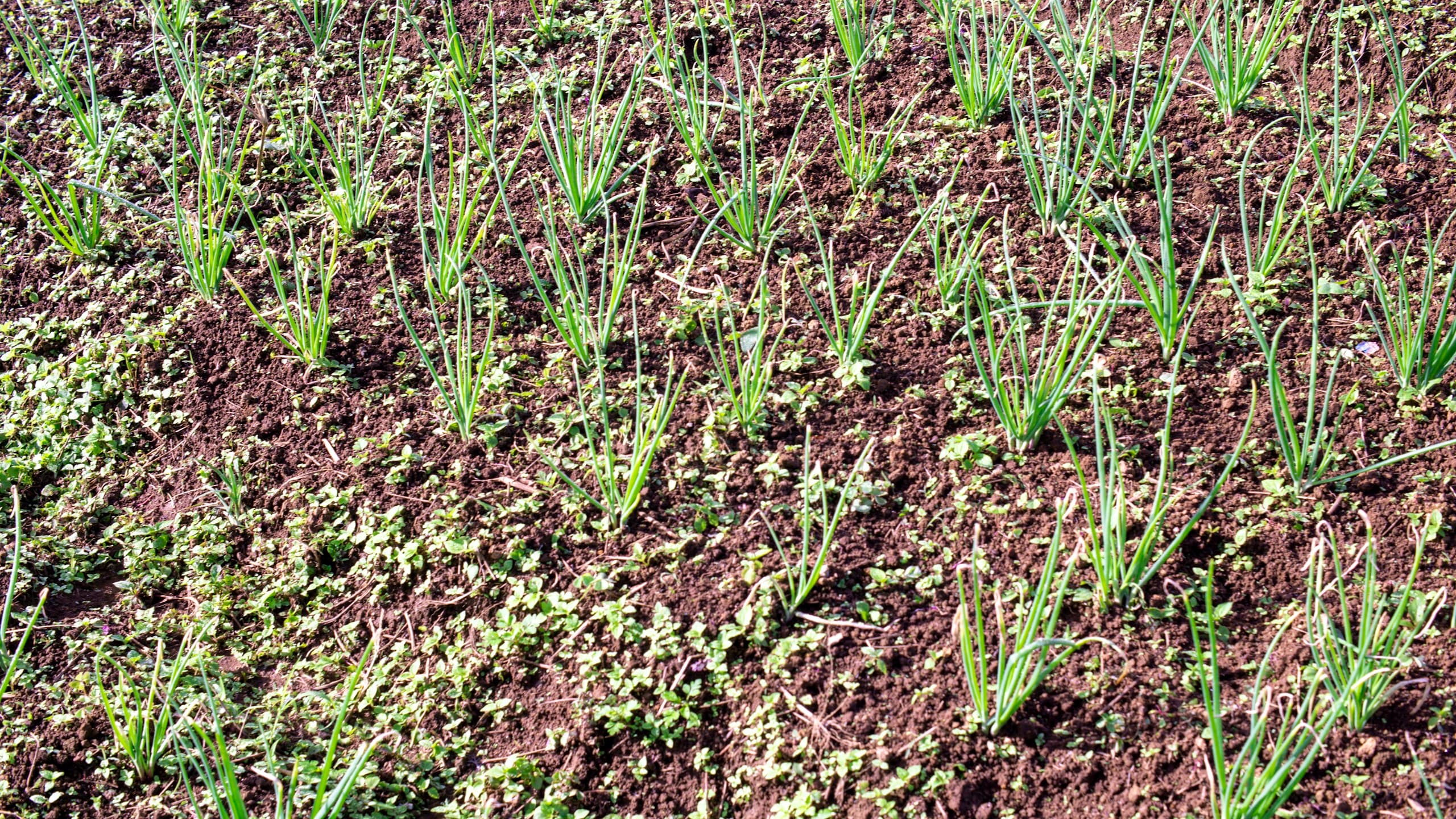 Explore the Village
From fields and seeds
to local knowledge.
Through its shallots,
we get to know the village.
BPS (Statistics Indonesia) recorded the shallot harvest area of Tegalsiwalan Village at 259 hectares in 2015. This is old data for the village, while the 2024 harvest figures shown below cover the entire district.
In the Directorate General of Horticulture archive discussing supplies up to March 2016, Muhasan is referred to as a seed grower domiciled in Tegalsiwalan Village. The same report records how Sutipan dried seeds in the house attic. Today's practices need to be asked about again directly with farmers. Read the original report.
259ha
Village harvested area · 20151,828ha
District harvested area · 2024140,889quintals
District production · 2024Scope and year differ between figures: BPS 2016 ↗ · BPS 2025 ↗
02 / Seeds & practice
Knowledge grows
from practice.
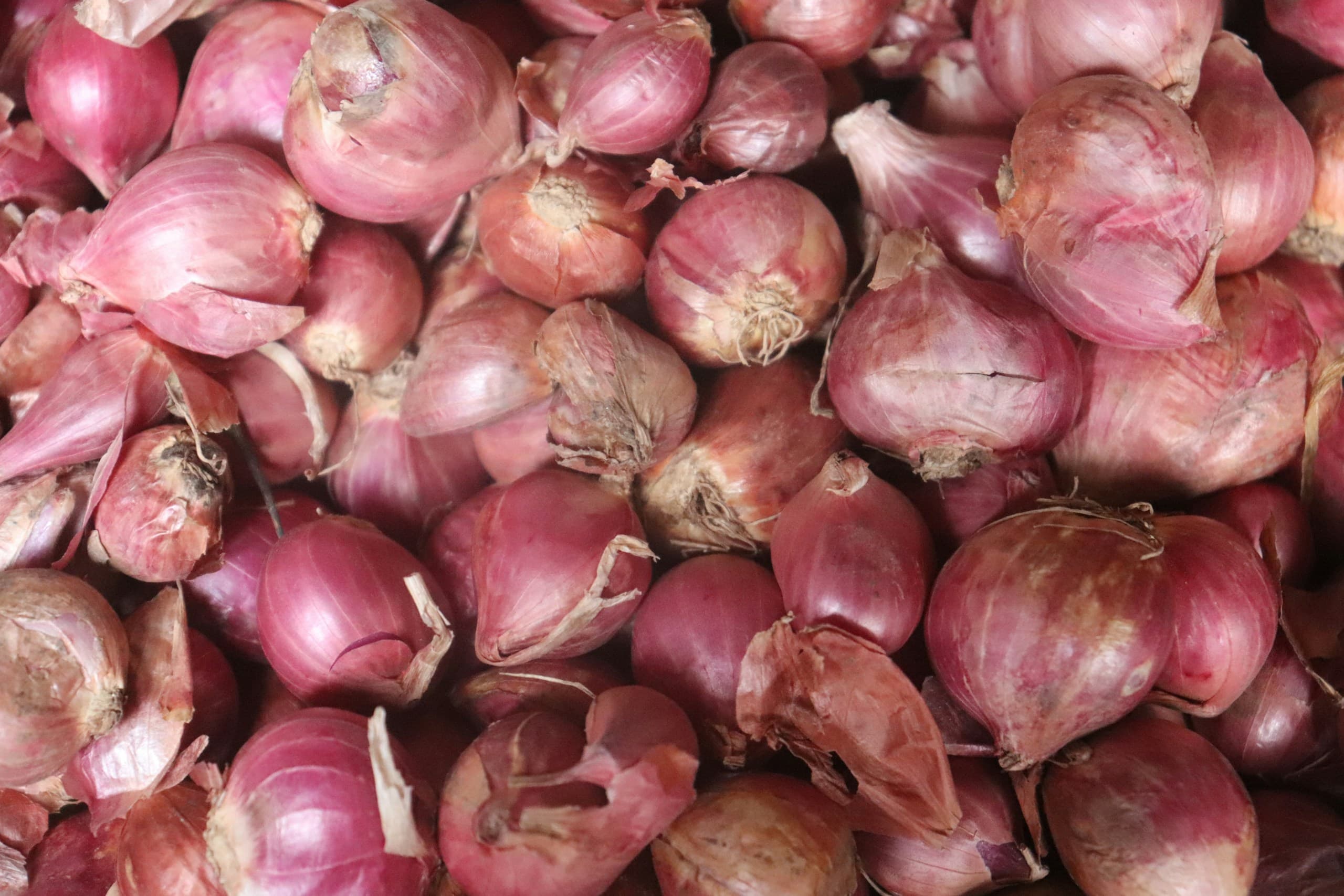
The Ministry of Agriculture archive records two methods of seed drying by Sutipan and Muhasan. As for varieties, the 2025 Ronggojalu registration document lists Tegalsiwalan District in its distribution area; that document does not mention the use of seeds by each village farmer.
Seed grower records
Agricultural archives record shallot seed growers living in Tegalsiwalan.
Variety names
Biru Lancor and Ronggojalu appear in Probolinggo agricultural documents.
The seed grower archives describe past practices. A variety named in a document does not mean every farmer in the village uses that seed today.
Farm figures must be read
within their scope.
Looking at shallots
through harvest data.
Tegalsiwalan District / BPS data 2021–2024
BPS (Statistics Indonesia) 2015 data records 259 hectares of shallot harvest area in Tegalsiwalan Village. The 2021–2024 table below is data for all of Tegalsiwalan District, not specifically the village's harvest.
| Year | Harvested area | Production |
|---|---|---|
| 2021 | 1,720 ha | 105,010 quintals |
| 2022 | 1,668 ha | 82,664 quintals |
| 2023 | 2,033 ha | 255,775 quintals |
| 2024 | 1,828 ha | 140,889 quintals |
Annual harvested area can count land harvested more than once. This table describes the district, not the yield of Tegalsiwalan Village. Source: BPS 2025 ↗
Read the data correctly
Harvest figures have a story and a context.
The 2015 village record and the 2024 district data offer two views of shallots. They cannot be compared as growth in village production.
04 / Read more closely
Continue the shallot story.
Two ways of storing seeds recorded in Tegalsiwalan
The Directorate General of Horticulture's archive mentions Sutipan and Muhasan with different seed-drying methods.
Biru Lancor and Ronggojalu in the Probolinggo shallot archives
Biru Lancor appears in the archives of a Probolinggo seed grower; Ronggojalu was registered as a local variety in 2025.
259 hectares of shallot: village figures that need context
BPS (Statistics Indonesia) recorded a harvested area of 259 hectares of shallot in Tegalsiwalan Village in 2015. The 2024 figure covers the entire district.
From knowledge to experience