
Photos
Harvests, fields and produce. Every photo shows its credit and source link.

A simple comparison: historical methods then and now
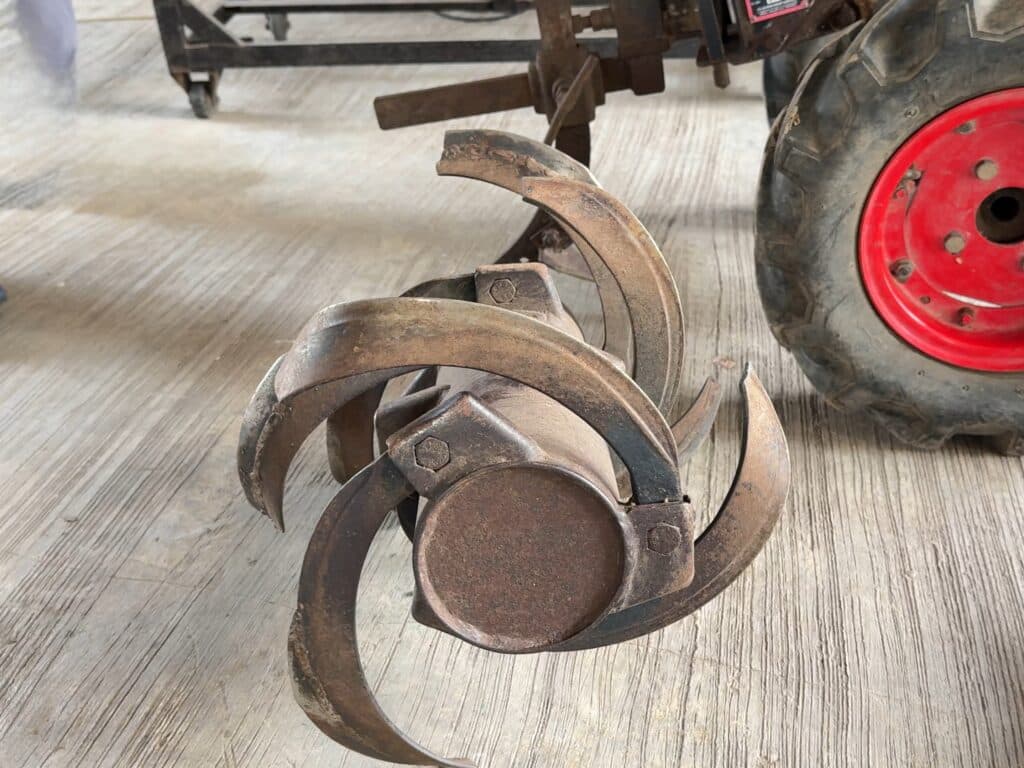
Perotari is a wheel of the cultivator that functions to chop, loosen, and level the soil quickly
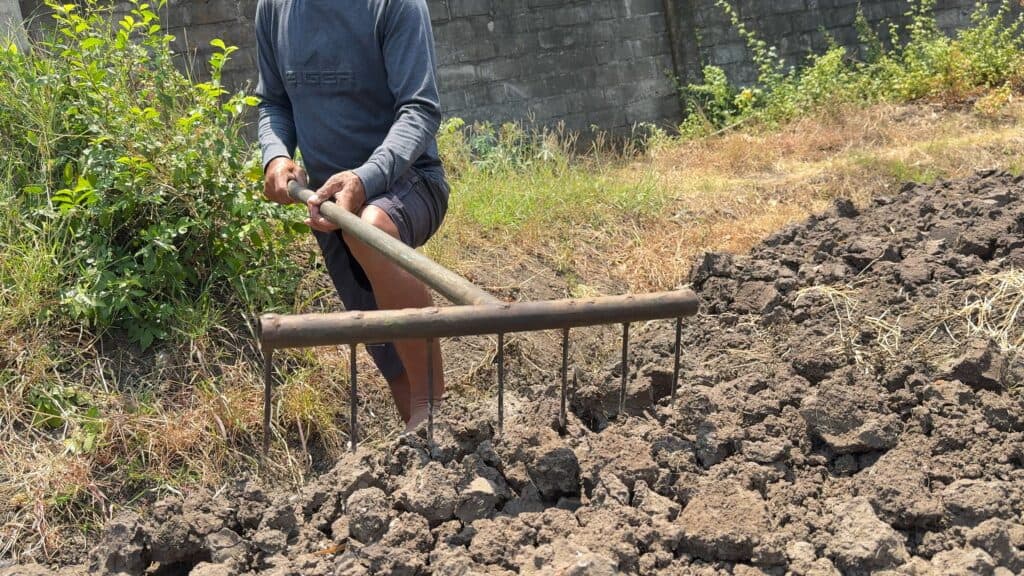
A rake is an agricultural tool shaped like a fork, used to level the soil before planting
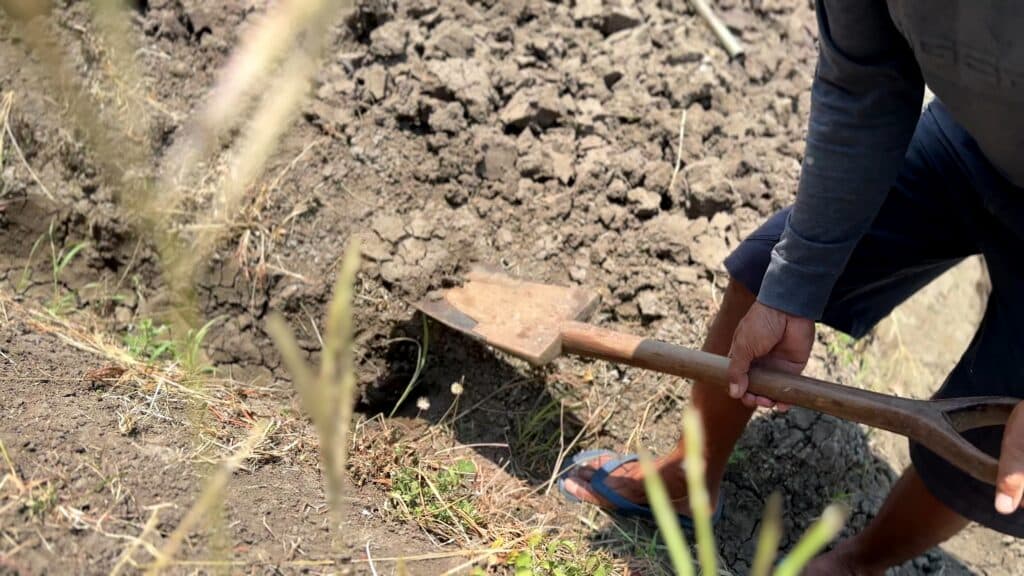
Cedok is an agricultural tool in the form of a shovel used to make water trenches
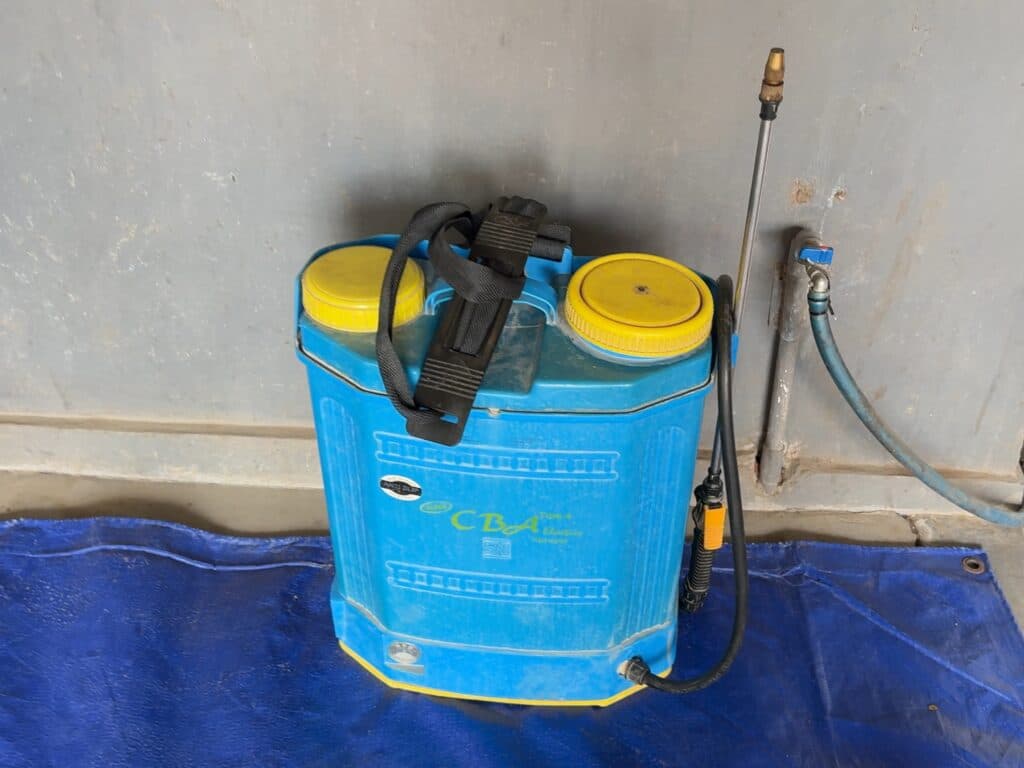
A pesticide sprayer is an agricultural tool used to spray pesticide, herbicide, or liquid fertilizer onto plants
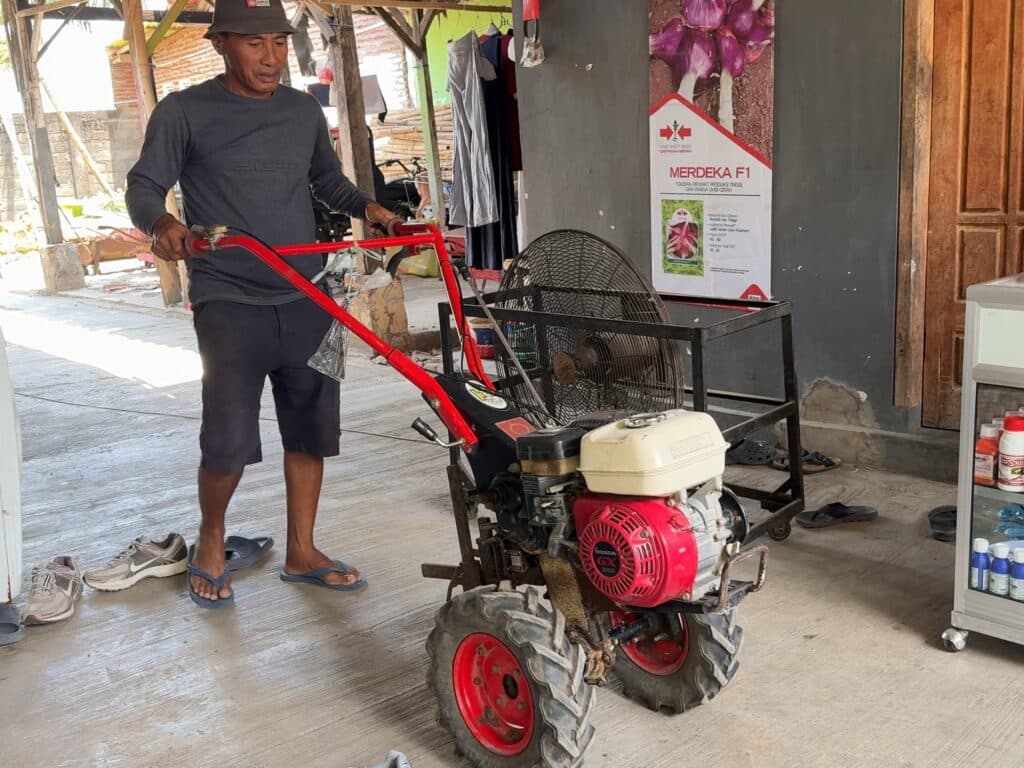
A cultivator is a modern agricultural machine used to process the topsoil, loosen the soil, turn over weeds, and create beds or furrows before and after planting
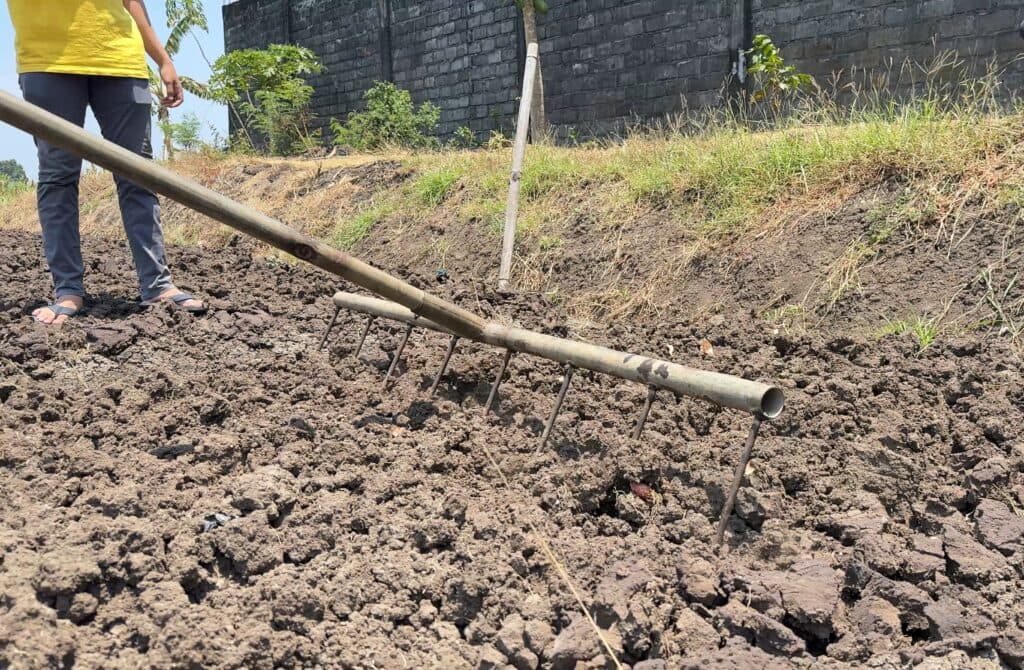
Agricultural tool shaped like a fork: Ruler. It functions to determine planting spacing or planting holes in shallot cultivation
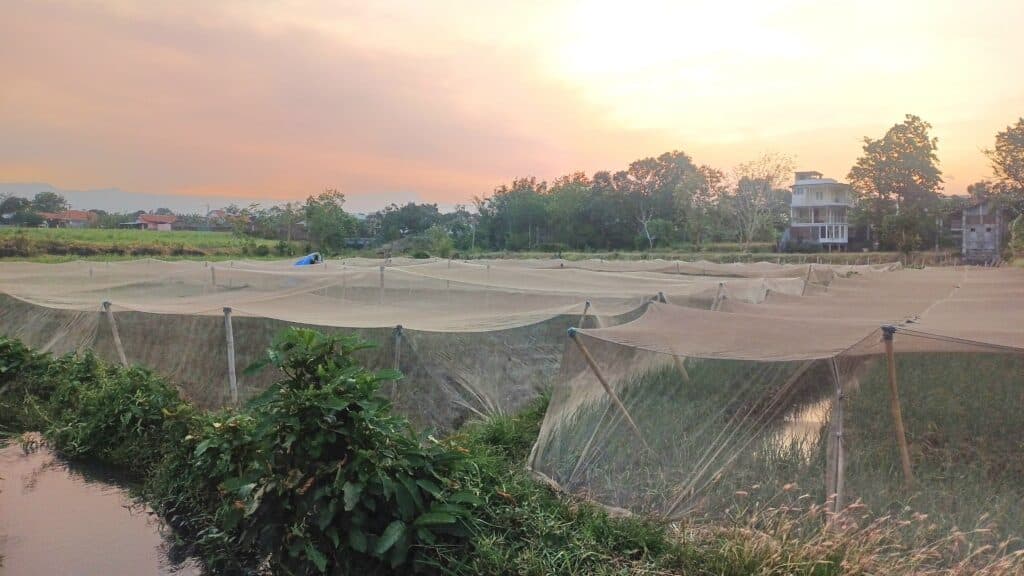
special netting/mesh or paranet to protect plants from pest attacks and extreme weather
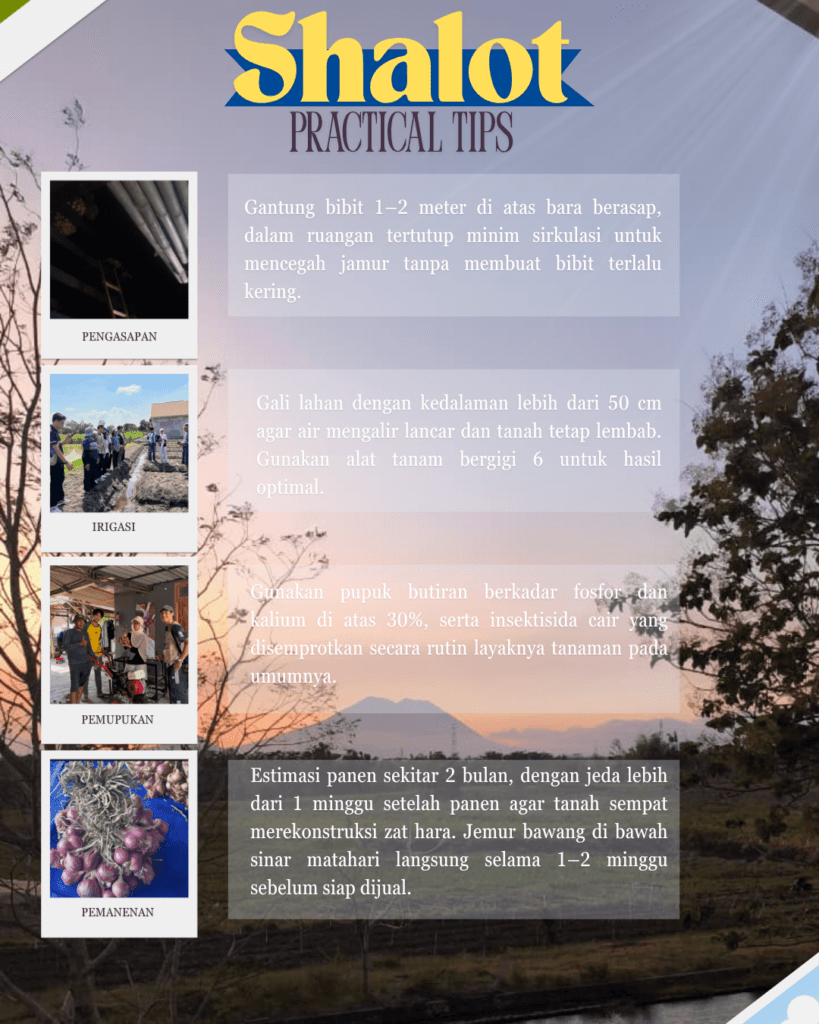
A simple shallot cultivation flow.
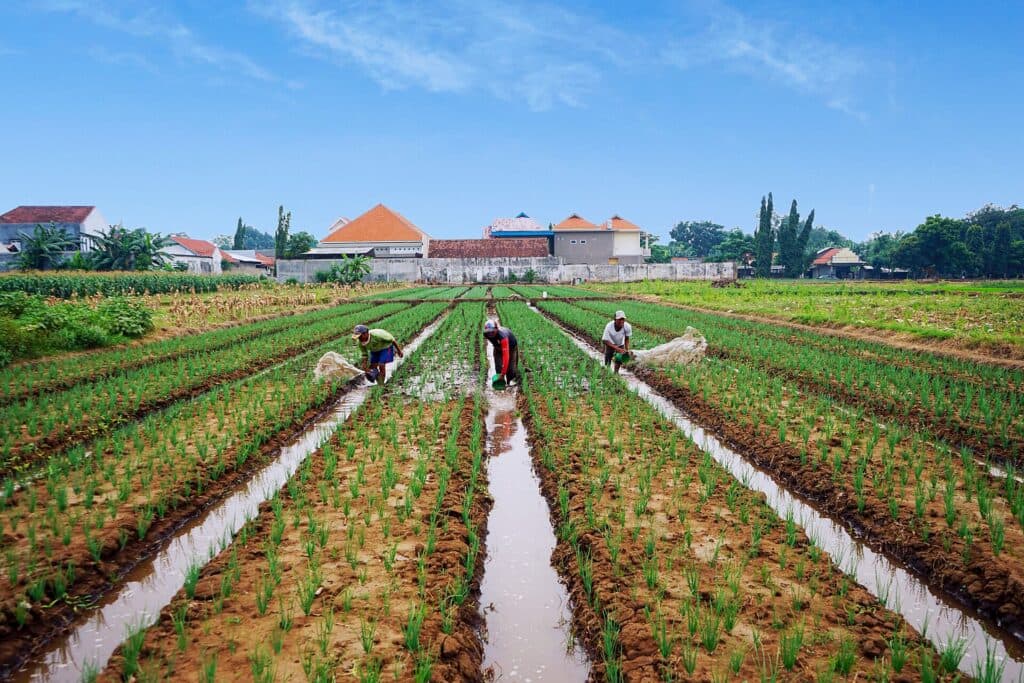
Farmers work among the shallot beds.
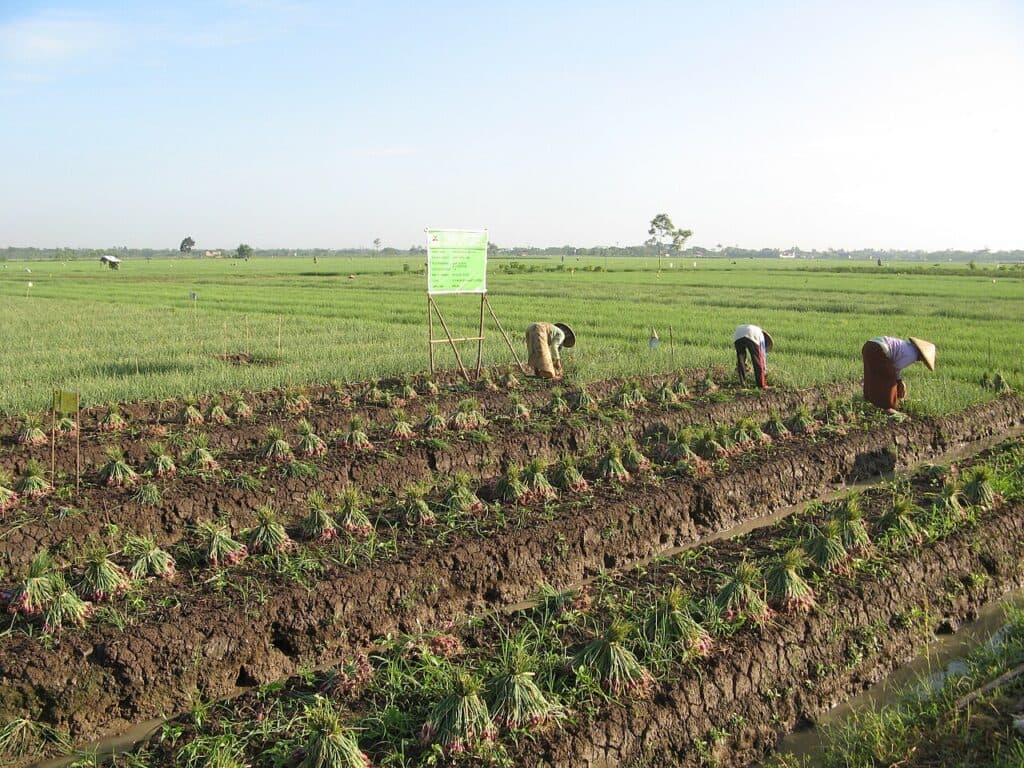
Several farmers pull shallots together in the field.
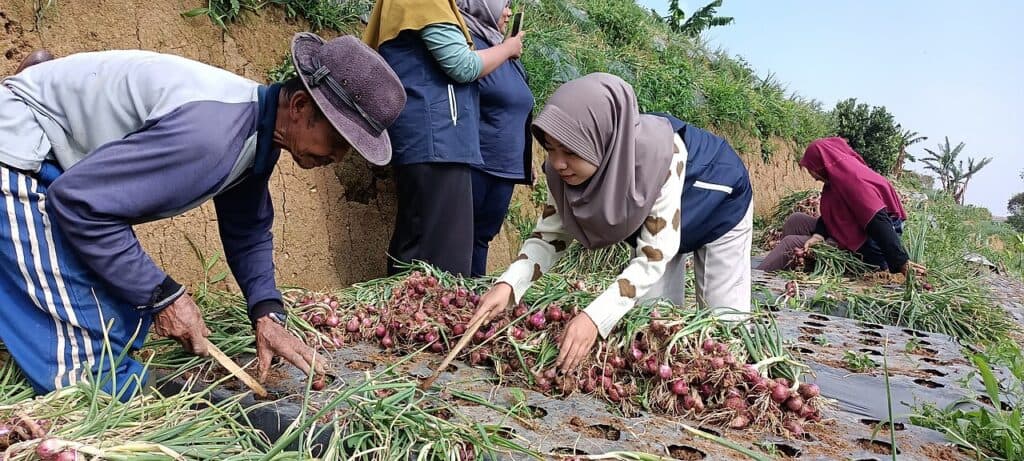
Residents pull shallots during the harvest in the field.
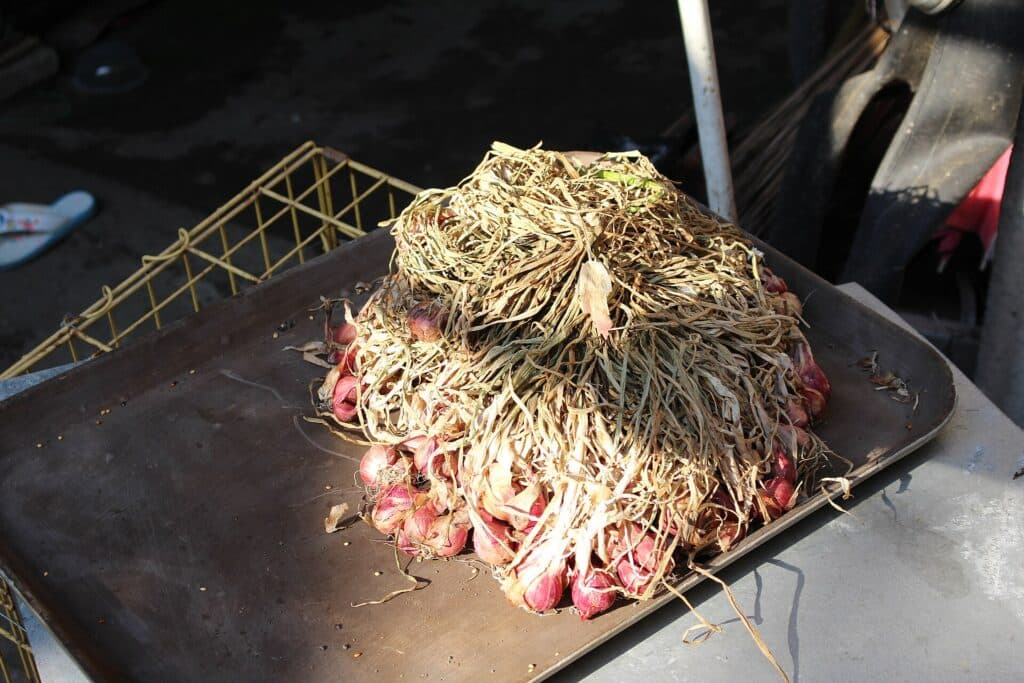
Shallot bulbs that have already been harvested.
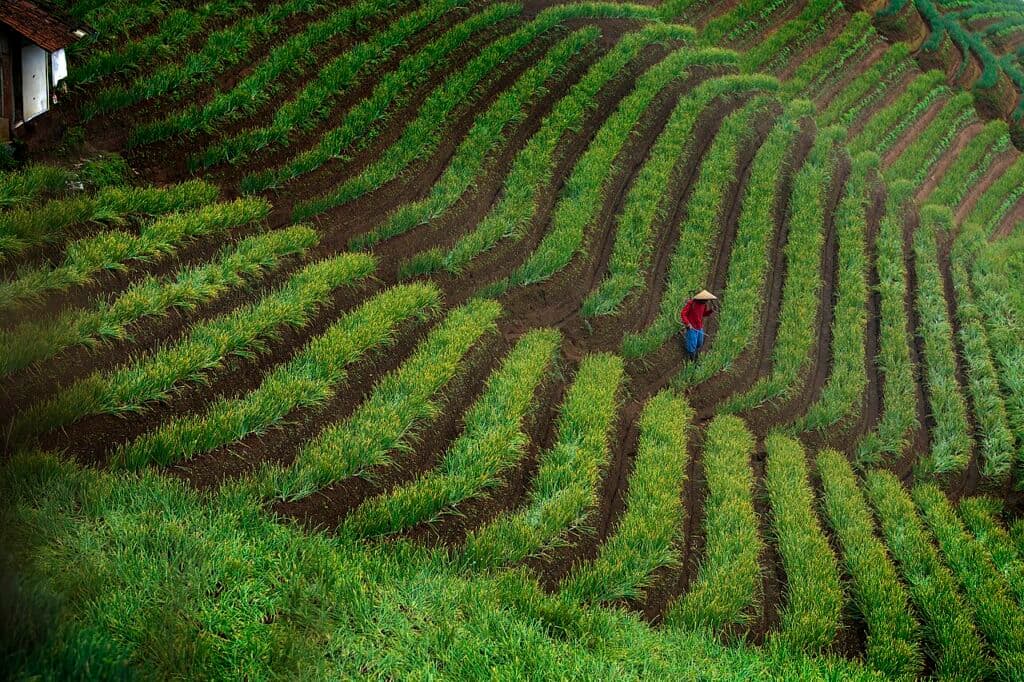
The shallot beds follow the shape of the slope; a farmer is visible in the field.
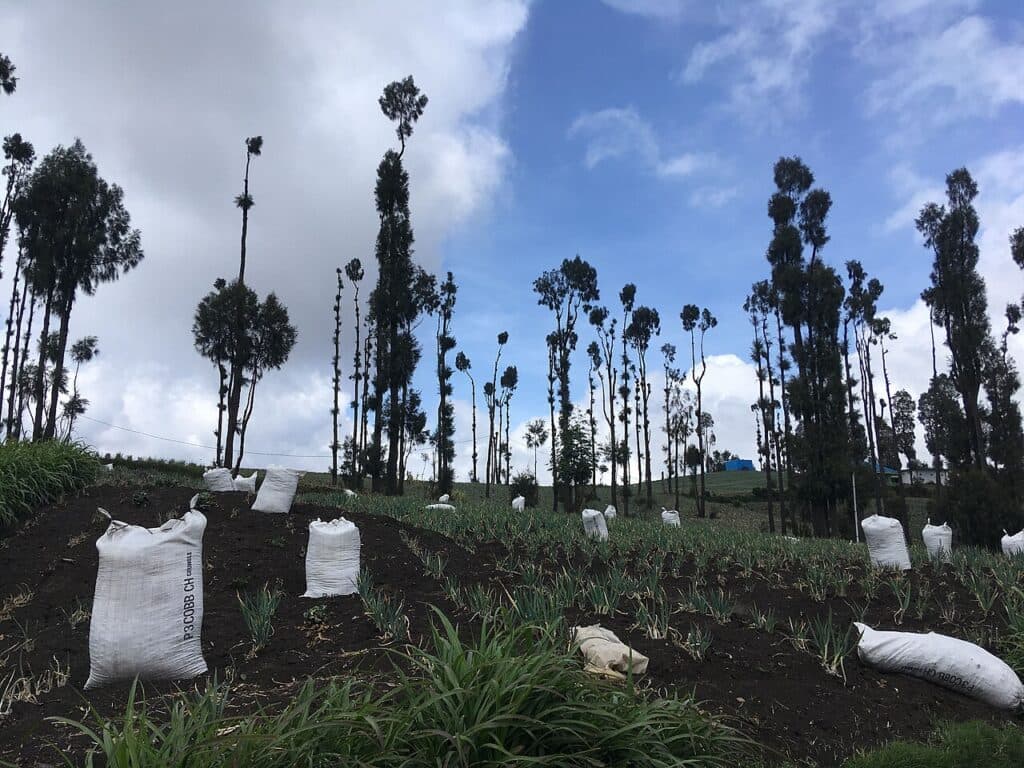
Rows of shallot plants grow on sloping land.
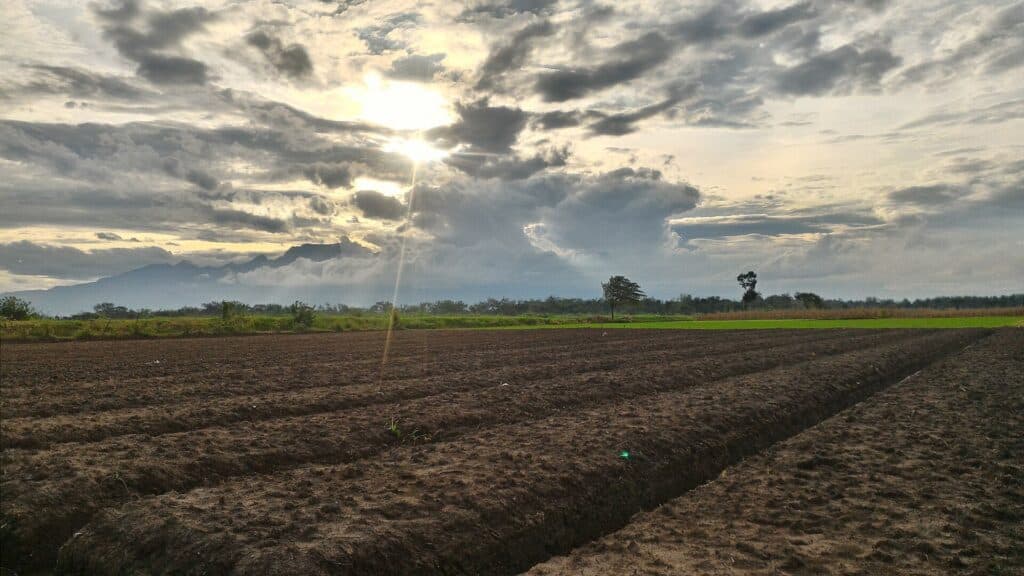
Raised beds are prepared for shallot planting.
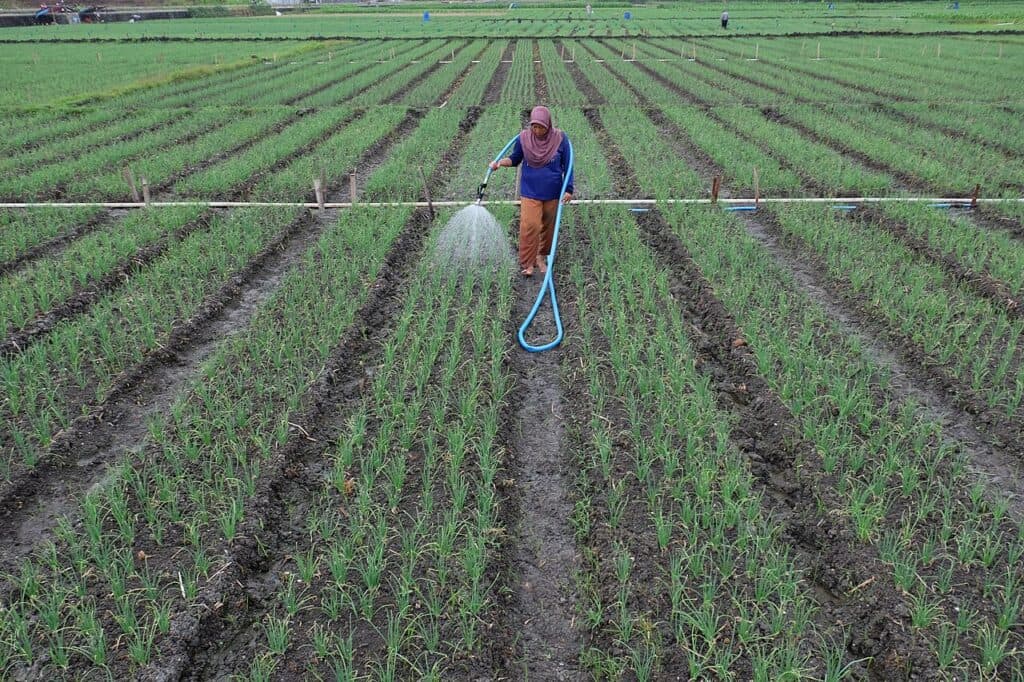
A farmer waters a shallot bed.
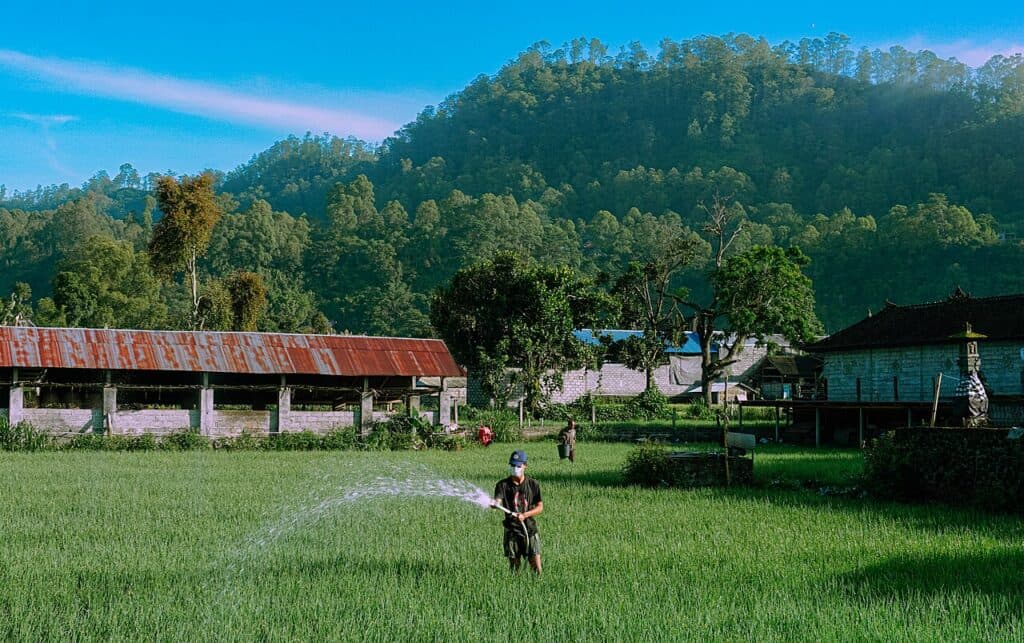
A farmer waters shallot plants in the field.
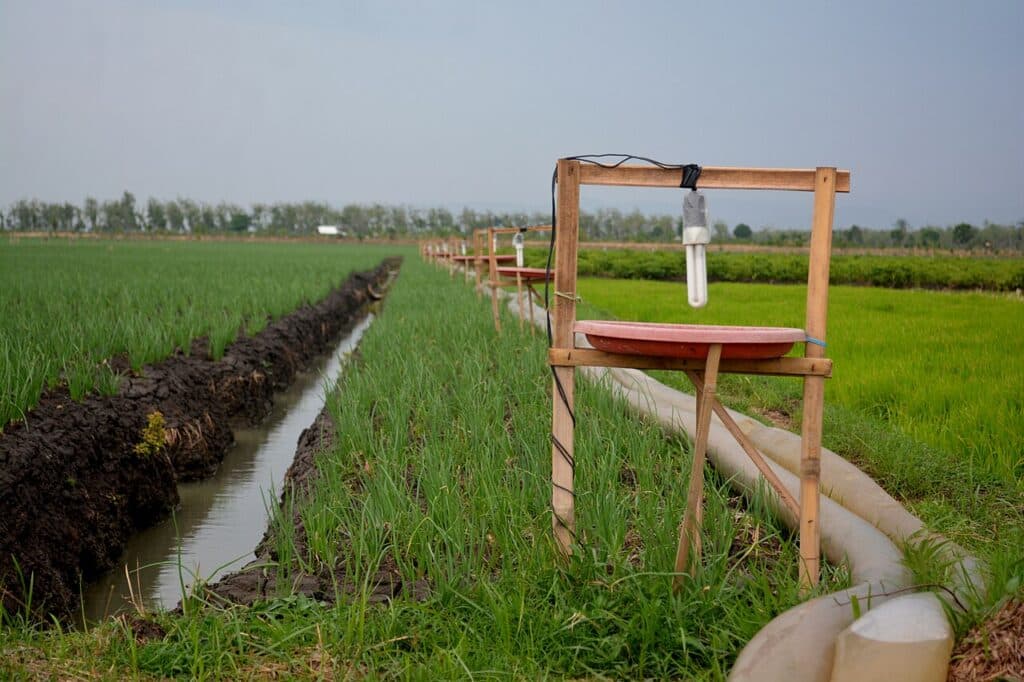
Insect trap lamps are installed among the shallot fields.
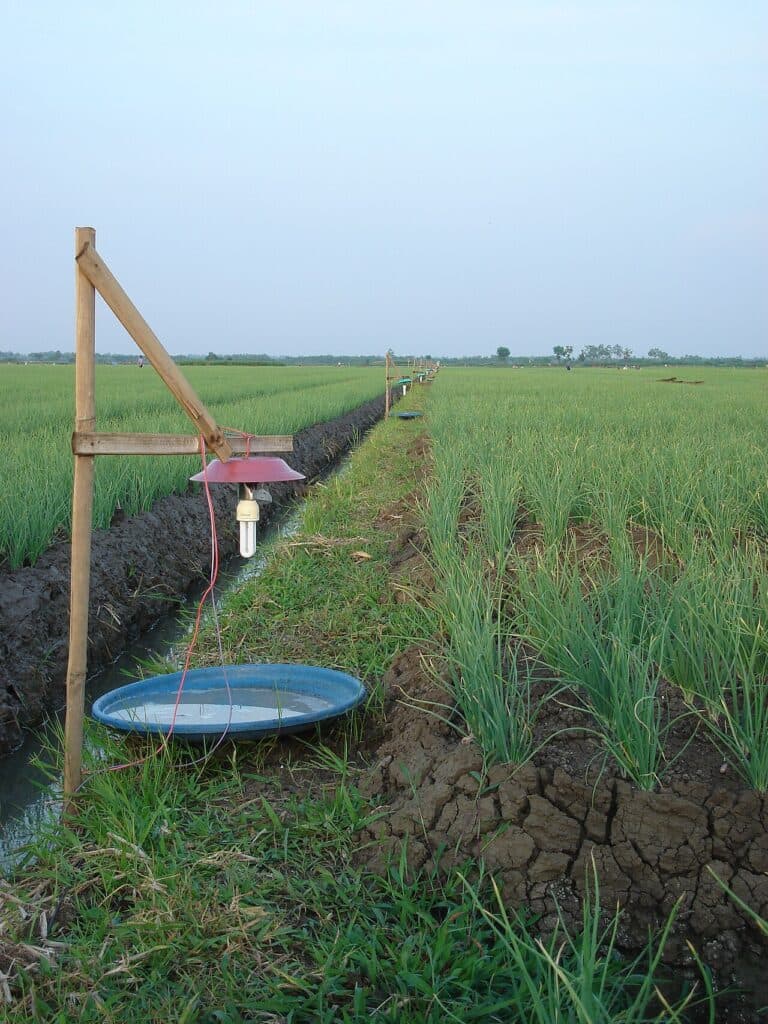
Rows of lights are installed between the shallot beds.
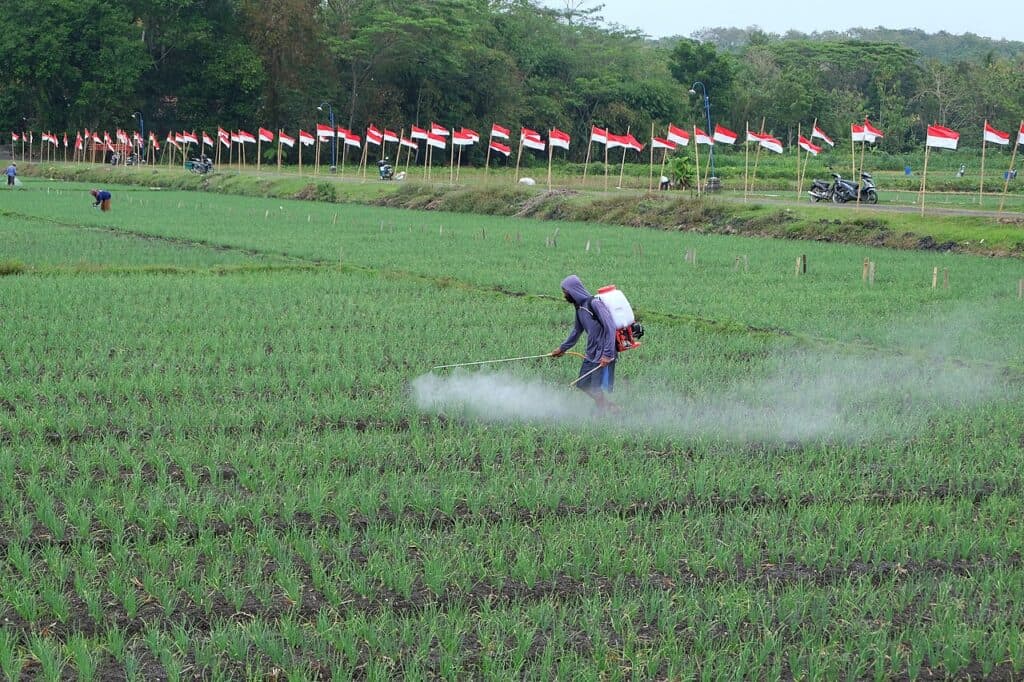
A farmer sprays shallot plants in the field.
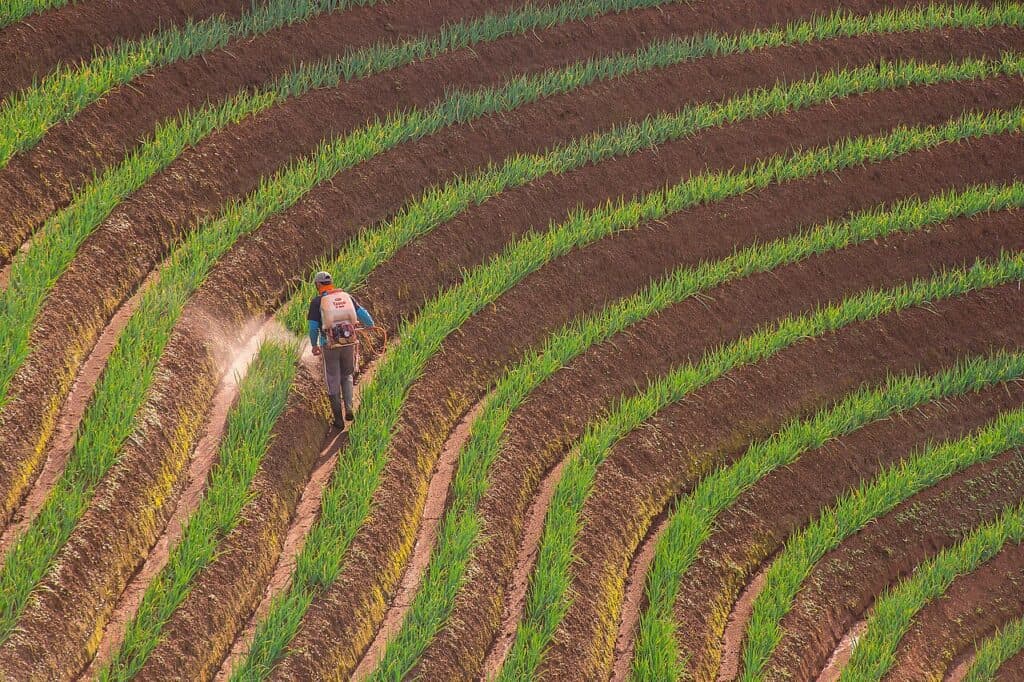
A farmer sprays shallot plants on terraced land.
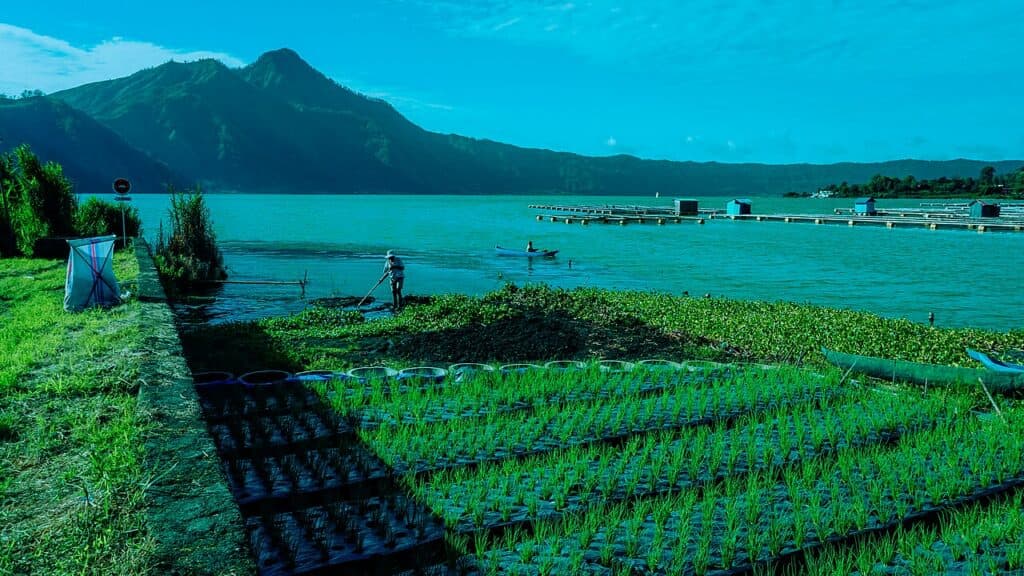
Rows of shallots grow on land near the lake.
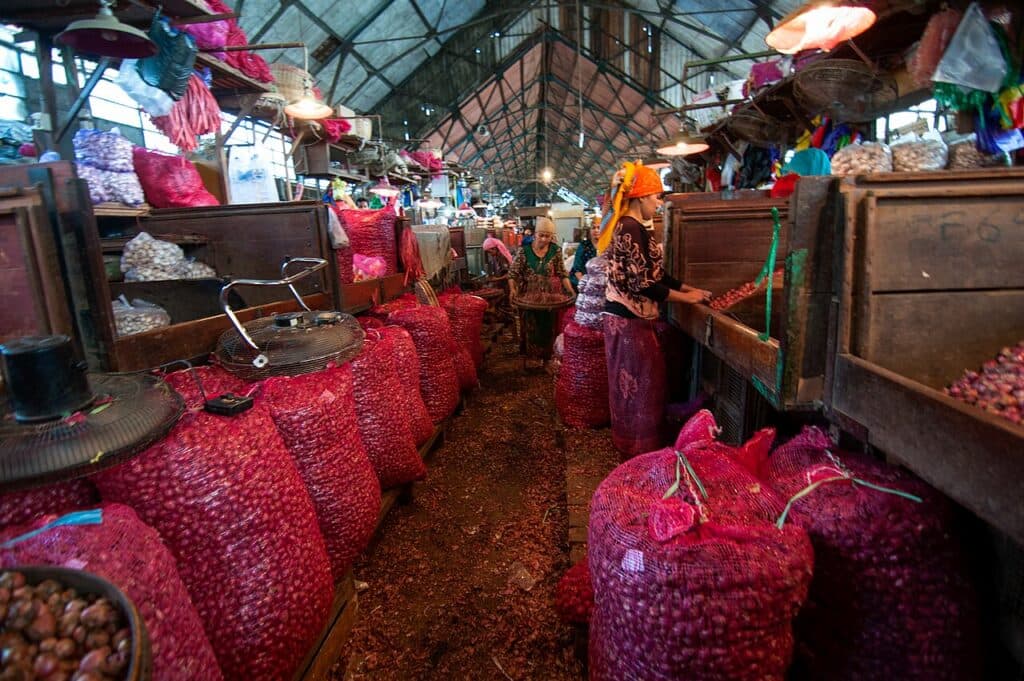
Sacks filled with shallots fill the market aisles.
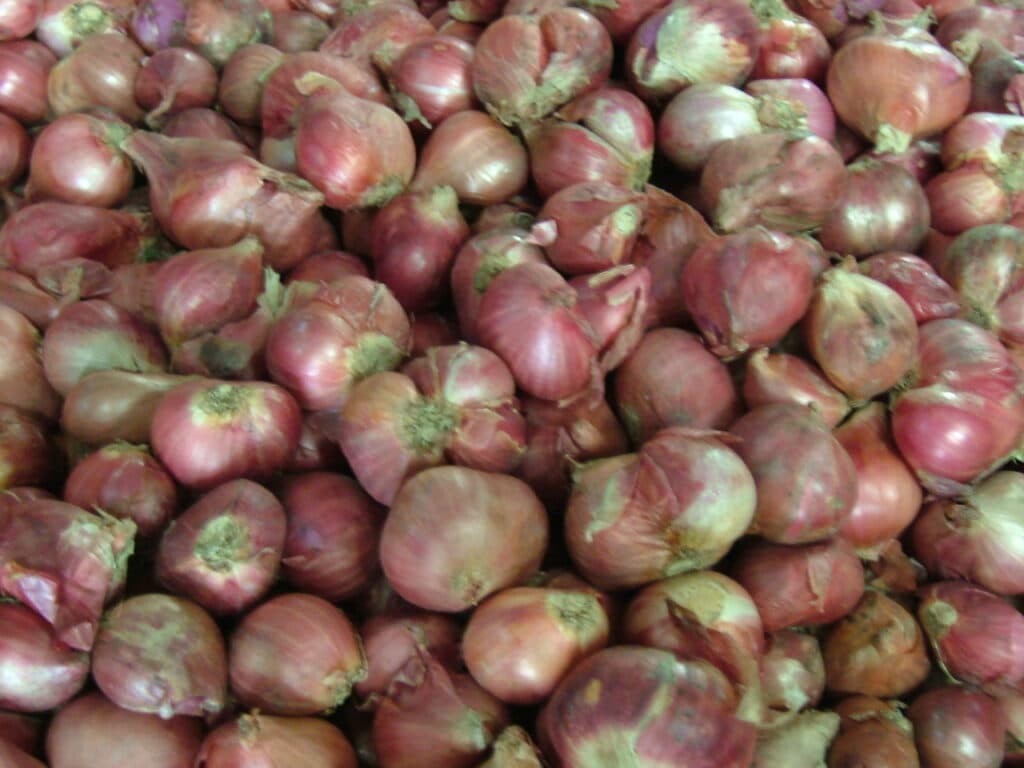
A pile of shallots sold at a market stall.
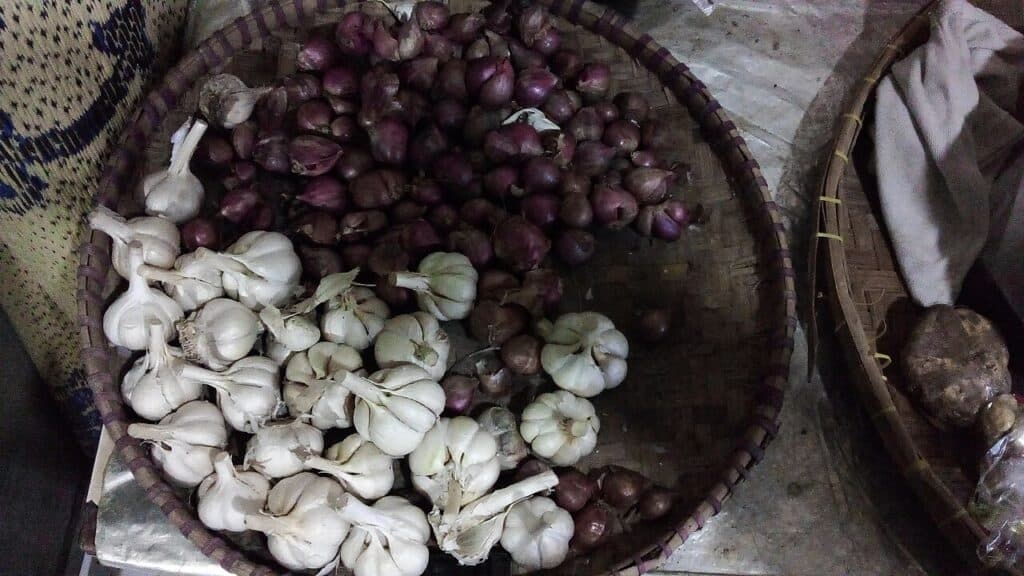
Shallot and garlic bulbs are placed in a winnowing tray.