259 hectares of shallot: village figures that need context
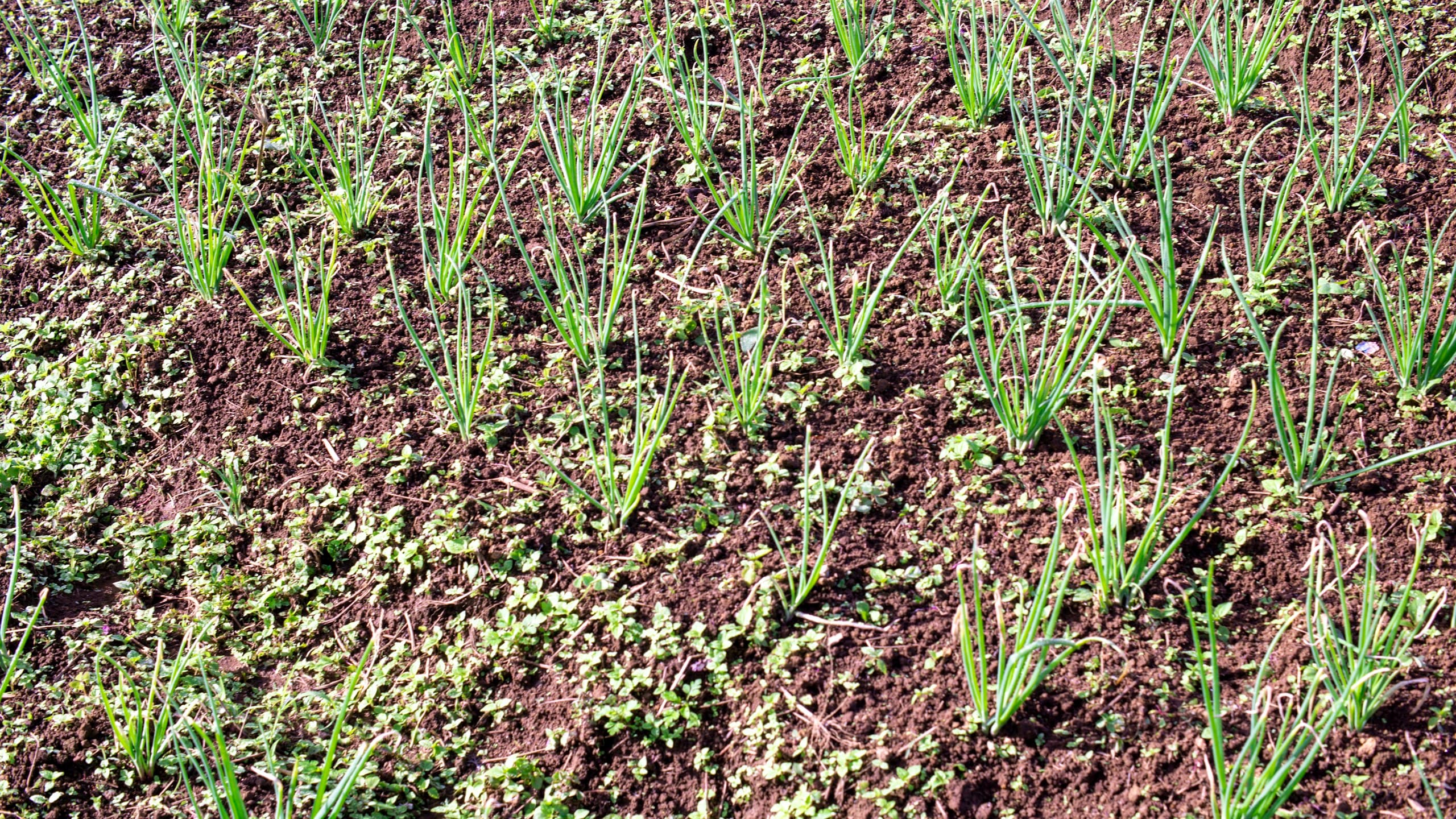
BPS (Statistics Indonesia) recorded a harvested area of 259 hectares of shallot in Tegalsiwalan Village in 2015. The 2024 figure covers the entire district.
Read more TegalsiwalanVillage · Articles · Stories · GalleryShallot data, stories and gallery
Welcome to Tegalsiwalan
Tegalsiwalan shallots, traced through BPS (Statistics Indonesia) data, seed grower archives, and stories with clear sources.
Getting to know our village
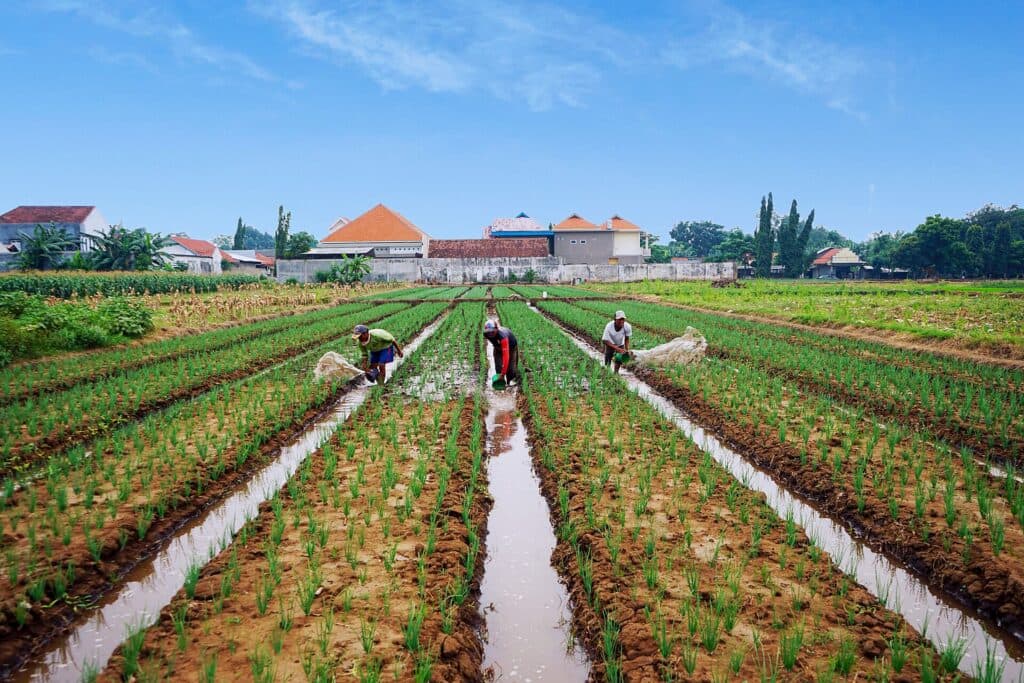
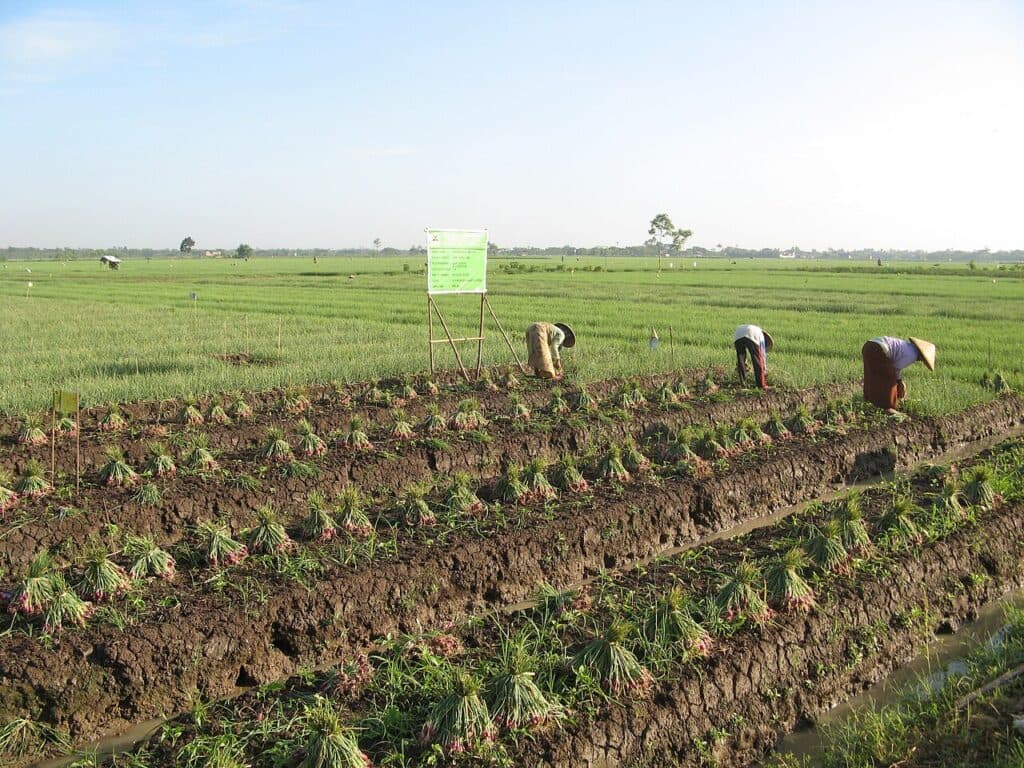
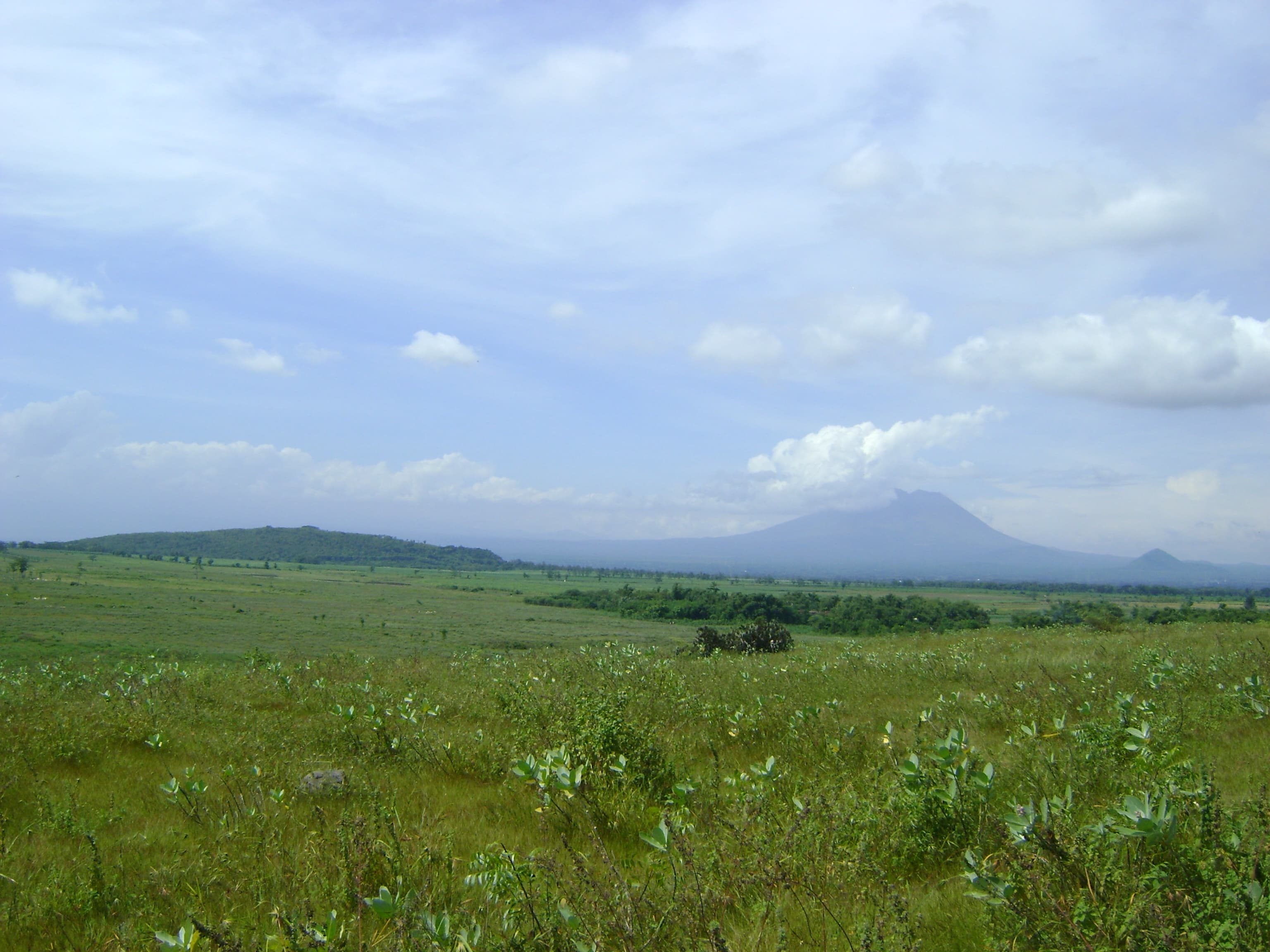
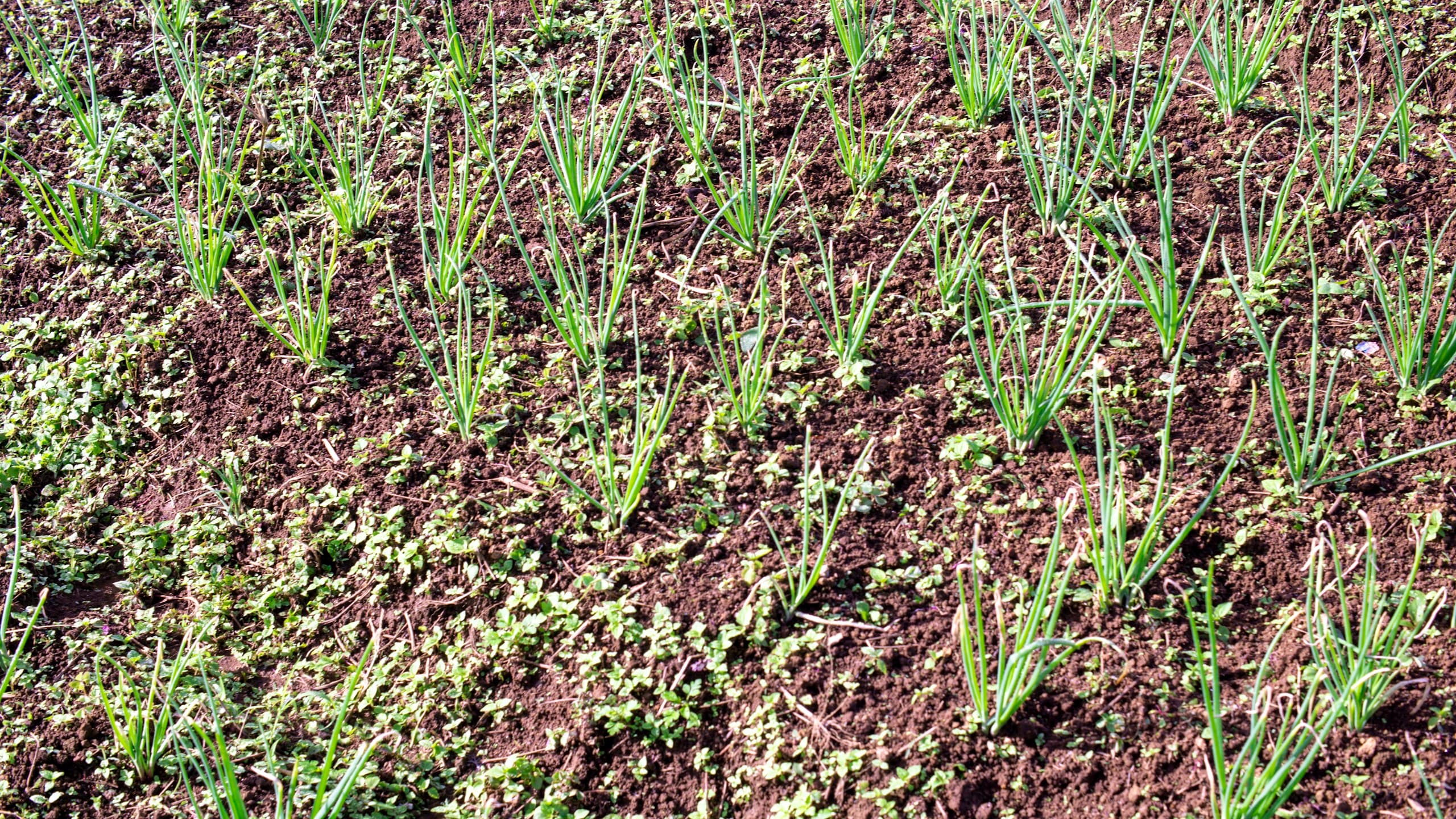
Tegalsiwalan Village is in Probolinggo Regency. BPS (Statistics Indonesia) recorded 4,508 residents and an area of 4.23 km² for this village in 2024. In 2015 historical data, the village's shallot harvest area was recorded at 259 hectares.
The Directorate General of Horticulture archive mentions Muhasan and Sutipan in seed production activities in Tegalsiwalan. Their story is an entry point for getting to know the village's shallots, while still looking at when that report was made. Read the Ministry of Agriculture archive.
Trace the seeds, the practices and the harvest.
Learn from experience and the references available.
Find what interests you
A visit archive from the Directorate General of Horticulture records Muhasan, a seed grower residing in Tegalsiwalan Village, and how he prepares seeds.
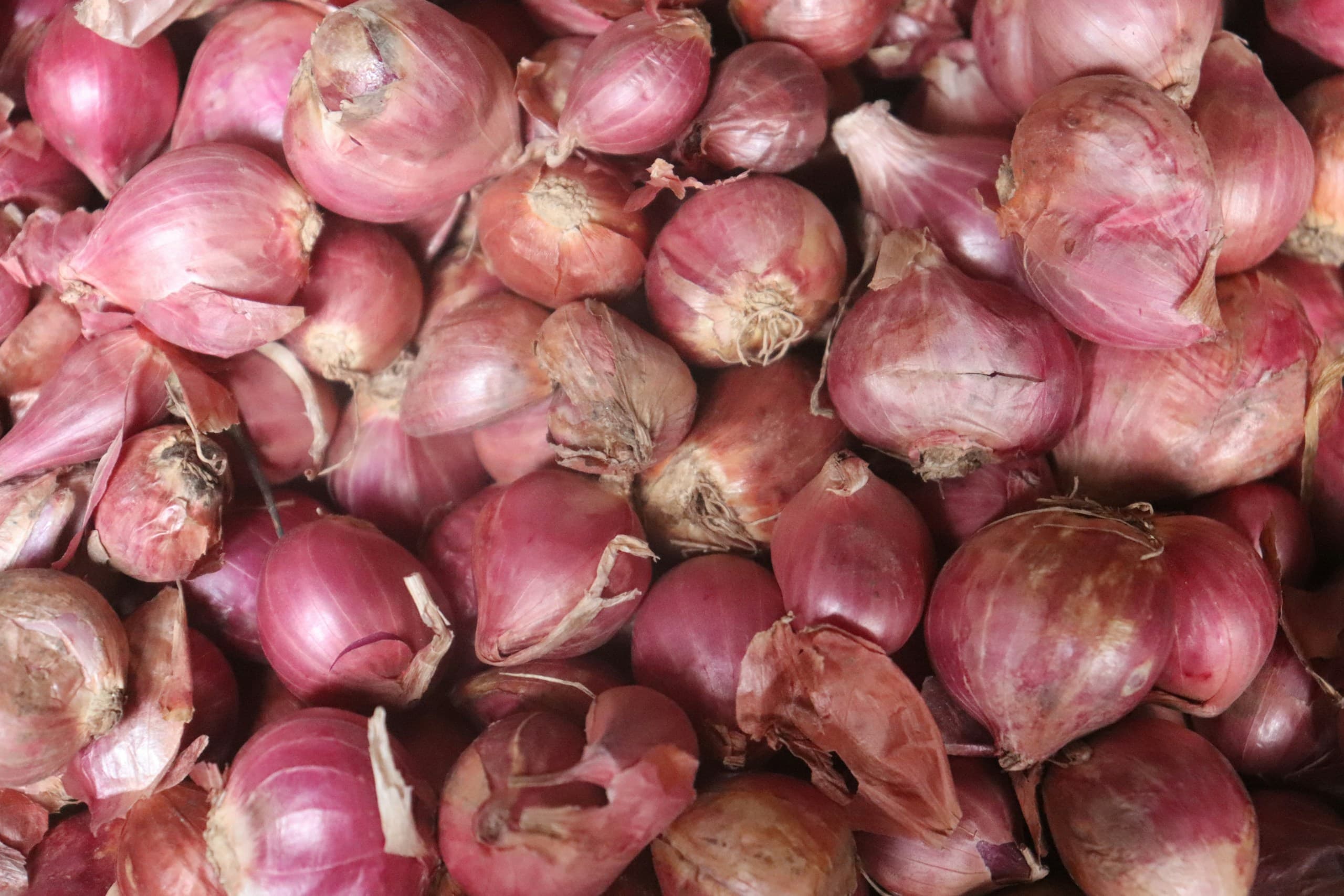
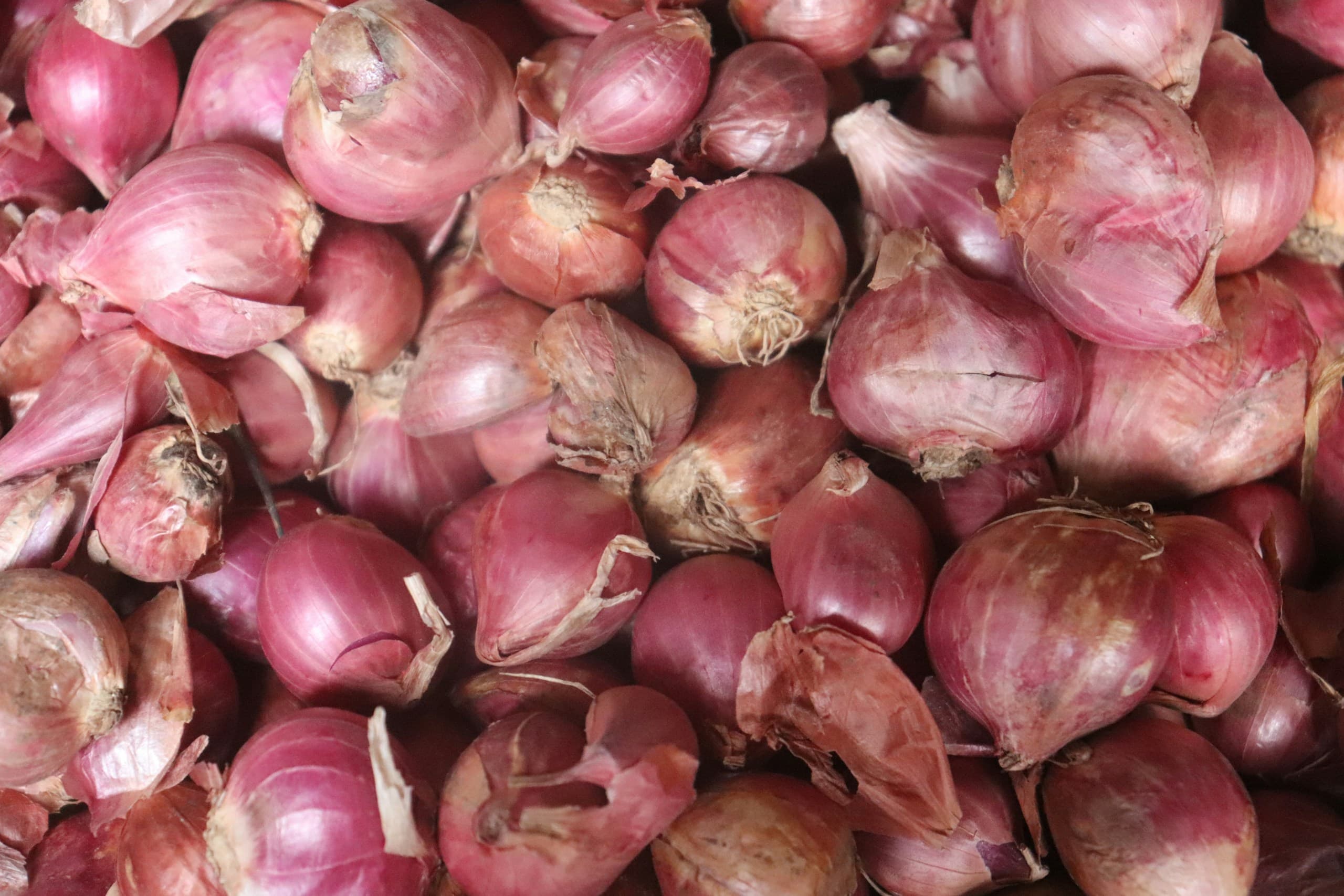
Read this story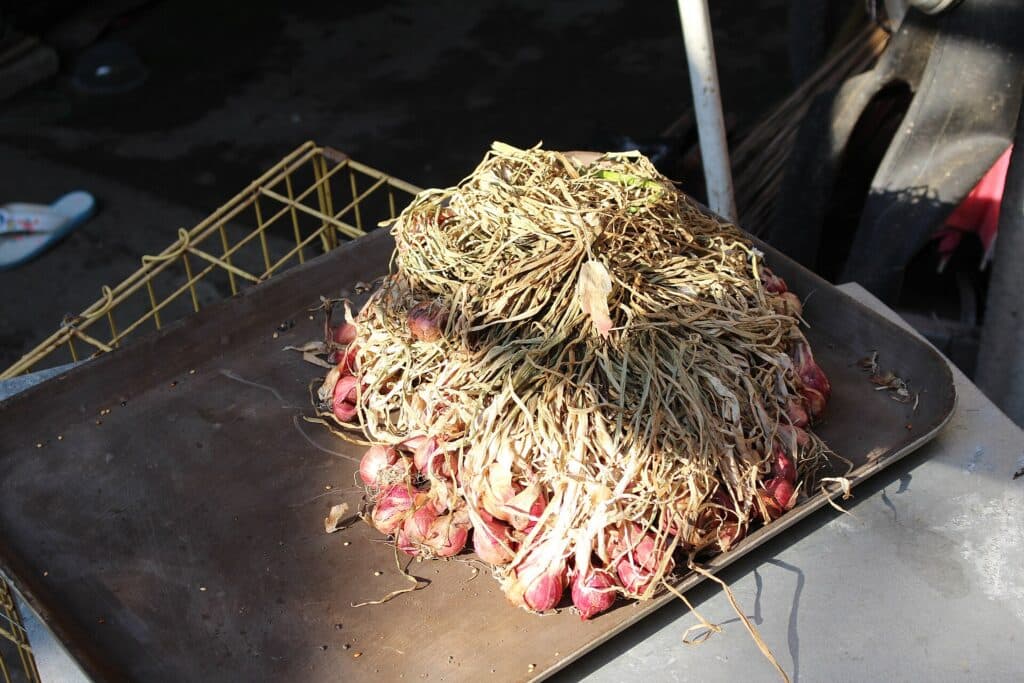 Illustration photo of shallot bulbs, location not stated · Candramawa99 / Wikimedia Commons · CC0 1.0
Read & discover
BPS (Statistics Indonesia) recorded a harvested area of 259 hectares of shallot in Tegalsiwalan Village in 2015. The 2024 figure covers the entire district.
Read moreBiru Lancor appears in the archives of a Probolinggo seed grower; Ronggojalu was registered as a local variety in 2025.
Read moreThe Directorate General of Horticulture's archive mentions Sutipan and Muhasan with different seed-drying methods.
Read moreGrowing questions
Short answers to common questions about growing shallots. Adapt each practice to your field conditions and your extension officer's advice.
Explore articlesChoose seed with a clear variety and origin that is uniform, healthy and shows no visible damage. Ask the seed grower or extension officer about the seed's identity and quality before buying.
Ministry of Agriculture seed guideNo single date suits every field. Consider water availability, drainage, the rainfall forecast and the variety you plant, and match your planting plan to local conditions with your extension officer.
Ministry of Agriculture cultivation SOPWater needs change with the plant's age, the weather and the soil. Watch the moisture of the beds and avoid standing water; do not simply follow the same watering schedule all season.
Ministry of Agriculture cultivation SOPObserve and record the symptoms, which parts of the plant are affected, how far it has spread and the water conditions in the field. Causes vary, so consult an extension officer before deciding on control measures or using pesticides.
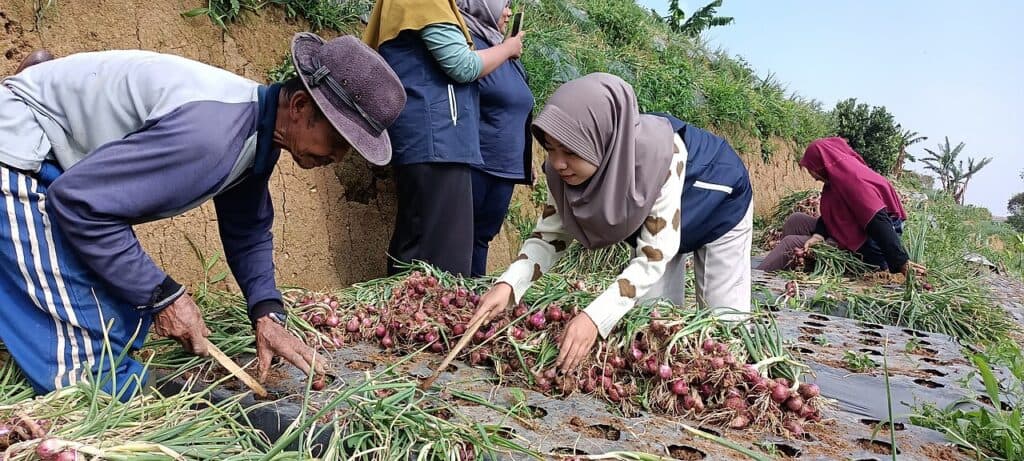
Ministry of Agriculture cultivation SOPLook at bulb maturity and the signs on the leaves for your variety, rather than only counting days since planting. If possible, harvest in sunny weather and lift the bulbs carefully so they are not damaged.
Ministry of Agriculture post-harvest guideDry or cure the bulbs with good air circulation, separate damaged bulbs, then store them in a dry, ventilated place. Check the stored bulbs regularly so damage does not spread.
Ministry of Agriculture post-harvest guide